
SEO Audit Case Study: Structural Improvements for a Local Pet Shop Website
Project Overview
Gerry’s Pet Shop is a local retail pet and aquarium supply store based in Caloocan City. The website was built on WordPress and primarily functioned as a product and store showcase. While visually presentable, several structural and indexing issues limited its search visibility and crawl efficiency.
The objective of this audit was to improve structural clarity, indexing signals, and internal linking without redesigning the website. The focus was on practical improvements that strengthen crawl prioritization and indexing eligibility.
Initial Diagnosis (Before Implementation)
During the initial review, several structural and indexing issues were identified that limited crawl efficiency and reduced the likelihood of commercial page indexing.
1. Malformed Category Slug in WordPress (Before)
The category taxonomy used a malformed slug format that introduced unnecessary hierarchy depth and structural inconsistency. This reduced URL clarity and created avoidable crawl friction.
Key observation:
Category URL structure was unnecessarily complex and inconsistent
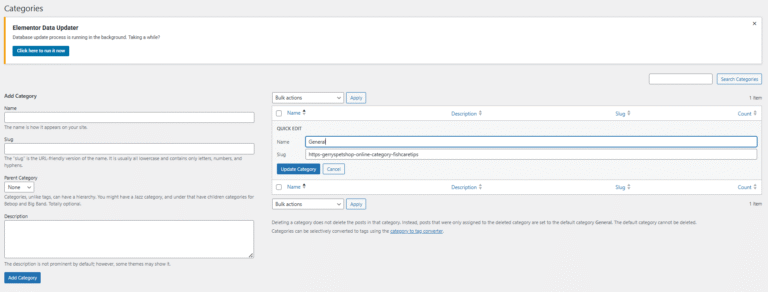
Figure 1. Incorrect category slug format before taxonomy cleanup.
2. Category Archive Page Indexed with Thin Content (Before)
Category archive pages were indexed by default despite offering minimal unique content. These thin pages diluted topical authority and consumed crawl budget inefficiently.
Key observations:
Thin archive layout
Minimal contextual value
Indexed by default
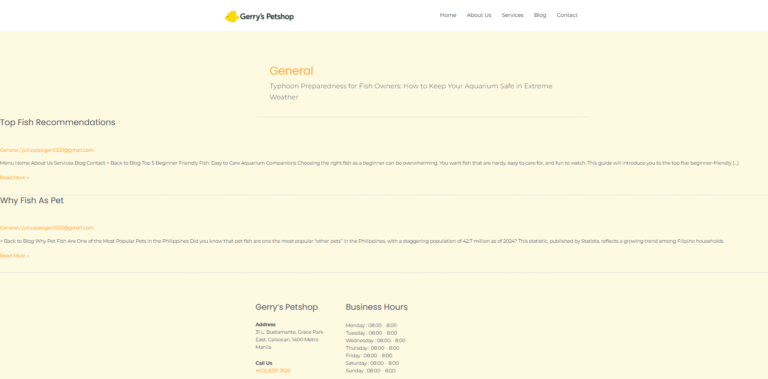
Figure 2. Thin category archive page indexed prior to structural optimization.
3. Services Page with Thin Content Structure (~130 Words)
The Services page contained approximately 130 words of content with limited hierarchy and no structured reinforcement. This reduced its ability to qualify as a strong commercial ranking candidate.
Key observations:
Minimal content depth
Weak semantic hierarchy
Limited topical reinforcement
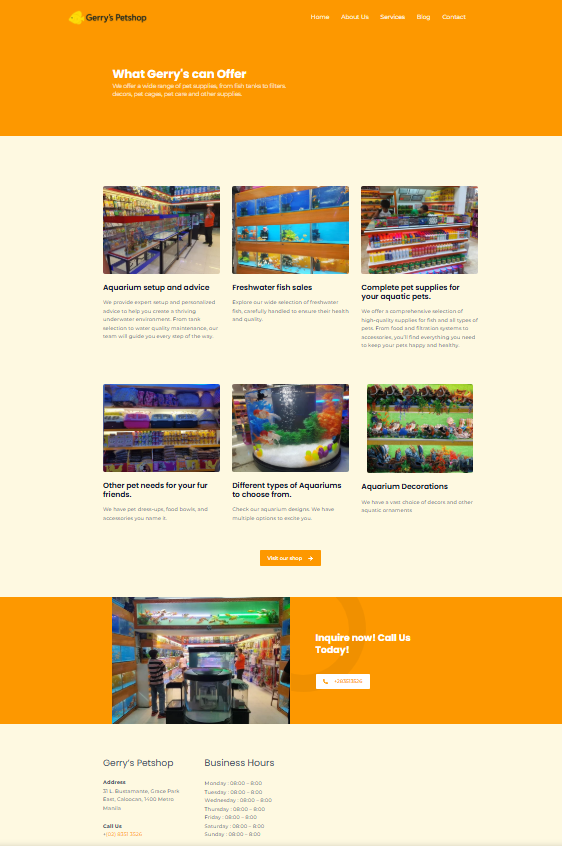
Figure 3. Services page before expansion, showing minimal content depth and weak semantic structure.
4. Google Search Console Status: Discovered, Currently Not Indexed
Google Search Console indicated that the Services page was discovered but not indexed. This often signals insufficient content depth, weak internal linking, or unclear page value.
Key observation:
Page discovered but excluded from index
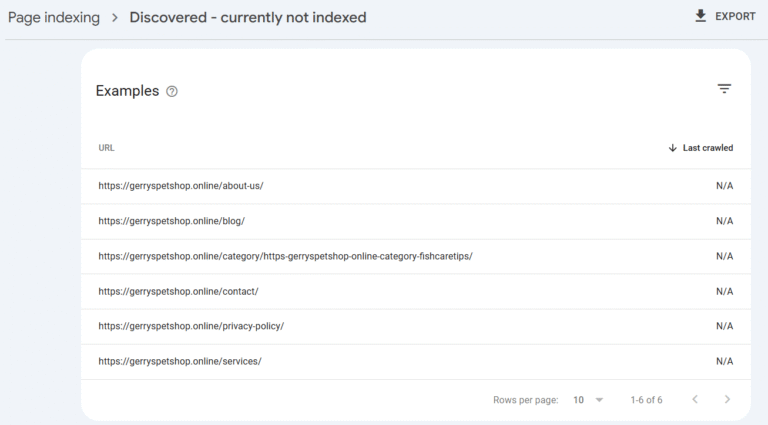
Figure 4. GSC indexing status showing “Discovered, currently not indexed” before content and structural improvements.
Implementation Phase
The following improvements were executed to strengthen site structure, indexing signals, and crawl prioritization.
1. Taxonomy Cleanup
The category taxonomy was restructured to remove malformed slug formatting and unnecessary hierarchy depth. This improved URL clarity and created a cleaner crawl path.
Key actions:
Corrected malformed category slug
Simplified URL structure
Removed structural inconsistencies
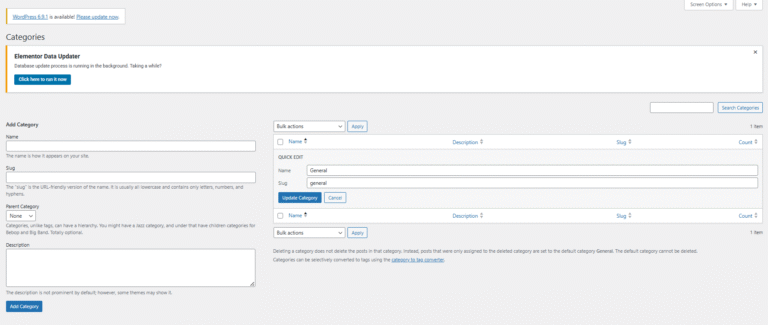
Figure 5. Clean category slug structure after taxonomy correction.
2. Intentional Archive Indexing Control
Thin category archive pages were intentionally set to noindex to prevent low value URLs from being indexed. Page source verification confirmed correct meta robots implementation, and the category sitemap was removed to avoid mixed indexing signals.
Key actions:
Applied noindex to thin archives
Verified meta robots via source inspection
Removed category sitemap from XML configuration

Figure 6. Meta robots tag showing noindex applied to category archive page.
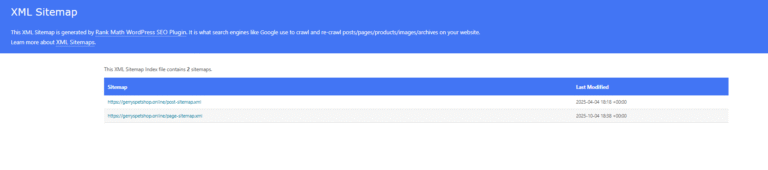
Figure 7. Updated XML sitemap excluding category archive URLs.
3. Services Page Structural Upgrade
The Services page was expanded and restructured to improve depth, clarity, and ranking eligibility. Content increased from approximately 130 words to over 800 words, supported by a clear H1 to H2 to H3 hierarchy and local intent reinforcement targeting Caloocan City.
Key actions:
Expanded content depth
Implemented structured heading hierarchy
Added local intent signals
Introduced FAQ section
Improved semantic clarity
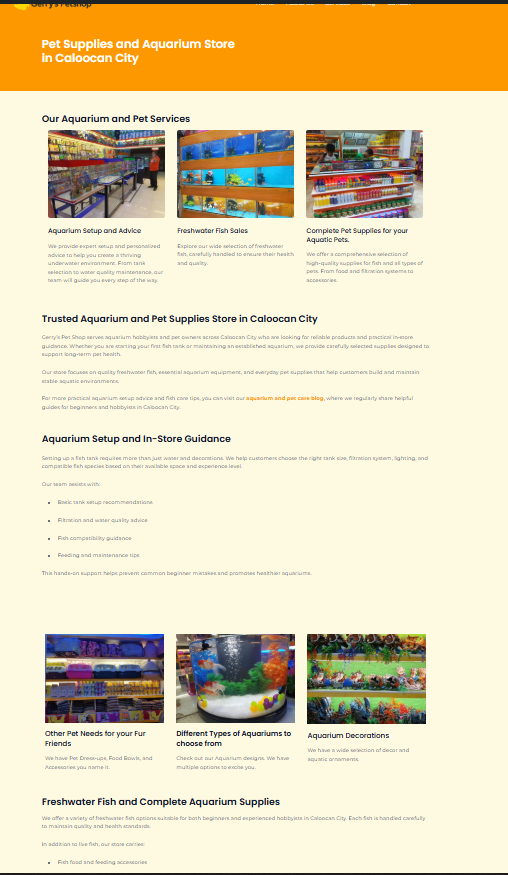
Figure 8. Updated Services page showing expanded structured sections and improved hierarchy.
4. Internal Linking Reinforcement
Internal linking pathways were strengthened to improve crawl flow and reinforce the commercial relevance of the Services page.
Key actions:
Added contextual links from blog posts to Services
Added reciprocal links from Services to blog content
Reinforced homepage linkage to Services
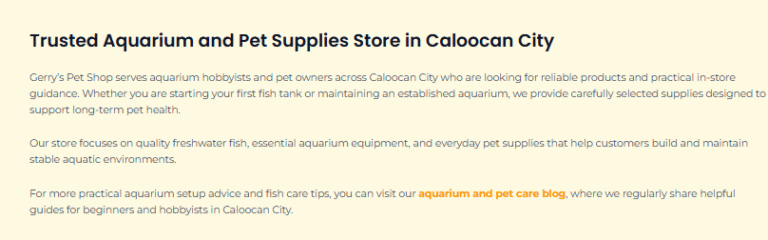
Figure 9. Contextual internal link from blog content to Services page.
After Improvements
Following implementation, structural clarity and indexing control were significantly strengthened. The website transitioned from reactive default settings to intentional crawl management.
1. Clean and Intentional Taxonomy Structure
The category URL structure was simplified, eliminating malformed slugs and unnecessary hierarchy depth. This improved crawl clarity and strengthened structural consistency across taxonomy pages.
Result:
Clear, predictable URL formatting
Reduced structural ambiguity
Improved crawl path efficiency
2. Controlled Indexing of Thin Archive Pages
Low value category archive pages were removed from the index through proper noindex implementation and sitemap cleanup. This ensured that only valuable pages were exposed to search engines.
Result:
Reduced thin content indexing signals
Cleaner XML sitemap submission
Improved crawl prioritization
3. Expanded and Structured Services Page
The Services page evolved from a thin informational page into a structured commercial asset. Expanded content depth, semantic hierarchy, and localized reinforcement improved its eligibility for indexing and ranking.
Result:
Increased topical depth
Clear heading hierarchy
Stronger local relevance for Caloocan City
Enhanced commercial page quality
4. Strengthened Internal Linking Pathways
Internal links were strategically added to reinforce crawl pathways and support the commercial Services page. This created a tighter relationship between informational and transactional content.
Result:
Improved crawl flow
Stronger topical association
Clearer commercial page prioritization
Expected SEO Impact
The structural and content improvements implemented in this audit are expected to positively influence crawl behavior, indexing eligibility, and topical authority.
Anticipated impact includes:
Improved crawl prioritization of high value commercial pages
Increased likelihood of Services page indexing
Reduced thin content signals from archive pages
Strengthened topical authority within aquarium related content
Enhanced local SEO positioning in Caloocan City
Indexing coverage and Search Console signals will continue to be monitored over the following weeks to measure measurable impact.
Key Takeaway
This case study demonstrates how targeted structural cleanup, intentional indexing control, and strategic internal linking can significantly improve indexing signals without requiring a full website redesign.
Rather than focusing on cosmetic changes, this audit prioritized:
Crawl efficiency
Index control
Content depth
Structural clarity
For small business websites, disciplined technical refinement often delivers stronger long term SEO foundations than surface level redesign efforts.
Get in Touch
If you would like to discuss your website or understand what can be improved, feel free to reach out through the contact page. I am open to reviewing sites and providing clear, honest feedback.
SEOservicesPH.pro
Local SEO expert helping Philippine businesses improve online visibility and generate qualified leads through search.
Focused on clear execution, sustainable strategies, and measurable results.
Serving businesses across the Philippines.